Compound Guide
BPC-157: what it is, and what the research actually shows
A plain, cited explanation of BPC-157: where it comes from, what animal research has studied it for, how thin the human evidence actually is, and where it stands under UK law. Research use only. Nothing here is instruction for human use.
What BPC-157 is
BPC-157, short for Body Protection Compound-157, is a synthetic pentadecapeptide, a laboratory-made chain of 15 amino acids. Its sequence is modelled on a fragment of a protein naturally present in human gastric juice. It's not a hormone and not a steroid; it's a short synthetic peptide, and that distinction matters when you're reading claims about it, since peptides, hormones, and steroids are regulated and studied under different frameworks.
It first drew research interest because of that gastric origin: scientists studying gut-protective proteins isolated the fragment and began testing whether a synthesised version could replicate any of the parent protein's protective effects outside the stomach. That's the starting point for essentially all of the research literature that followed.
What the research has actually studied
Nearly all of the BPC-157 literature is preclinical: rodent and other animal-model studies, plus laboratory (in vitro) work, not human clinical trials. A 2025 narrative review in the journal covered by PMC (McGuire et al., "Regeneration or Risk? A Narrative Review of BPC-157 for Musculoskeletal Healing") summarises the main threads researchers have pursued:
- Tissue and tendon repair. Animal studies report BPC-157 promoting tendon-to-bone integration and improving biomechanical properties of healing ligaments, alongside increased collagen synthesis at injury sites.
- Angiogenesis. Multiple studies describe BPC-157 stimulating the growth of new blood vessels, the proposed mechanism behind its tissue-repair effects in poorly-vascularised tissue like tendon.
- Gastrointestinal protection. Given its origin, a substantial share of the literature looks at gut-lining protection and ulcer healing in rodent models, including a 2011 study (Ilic et al., ScienceDirect) on its effects against NSAID-induced gastrointestinal, liver and brain lesions.
- Growth hormone receptor expression. A 2014 study (Chang et al., cited over 150 times) reported BPC-157 increasing growth hormone receptor expression in tendon fibroblasts, one proposed pathway for the repair effects seen elsewhere in the literature.
A separate 2025 review (Józwiak et al.) frames BPC-157 as "pleiotropic," meaning it appears to act through several different biological pathways rather than one single mechanism, which is part of why the research interest spans so many different tissue types.
Human evidence versus animal evidence: the part most vendor pages skip
This is the section a lot of BPC-157 product pages either bury or leave out entirely, and it's the most important one. The tissue-repair and angiogenesis findings above come almost entirely from animal and in vitro models. Large-scale, controlled human clinical trials essentially don't exist for BPC-157. What human-facing sources do exist are mostly anecdotal reports, forum and social-media accounts, or small, uncontrolled pilot observations, not the kind of evidence that supports a safety or efficacy claim.
That gap is exactly why BPC-157 has not received FDA, EMA, or MHRA approval for any human use, and why it's classified in the US as a "Category 2" compounded substance, the FDA's higher-risk tier for compounds with unknown human safety profiles. It's also why the World Anti-Doping Agency lists it as a prohibited substance in competitive sport at all times, independent of whether it's being used for a legitimate research purpose or not.
None of this means the animal research is worthless. It means the honest, accurate position is: promising signal in preclinical models, essentially no rigorous human data. Anyone telling you otherwise, in either direction, isn't representing the literature accurately.
Where BPC-157 stands under UK law
BPC-157 is not a controlled substance under the Misuse of Drugs Act 1971, so it's legal to buy, sell, and possess as a research-use-only laboratory material in the UK. It is illegal to market, sell, or advertise it for human consumption, medical treatment, or therapeutic use under the Human Medicines Regulations 2012, which is why every listing on this site describes it strictly as a research compound. In April 2026 the MHRA said publicly it is looking at businesses that blur that line. Full detail, including how this differs from the position on prescription-only peptides like semaglutide, is on our UK legal status page.
BPC-157 in our catalogue
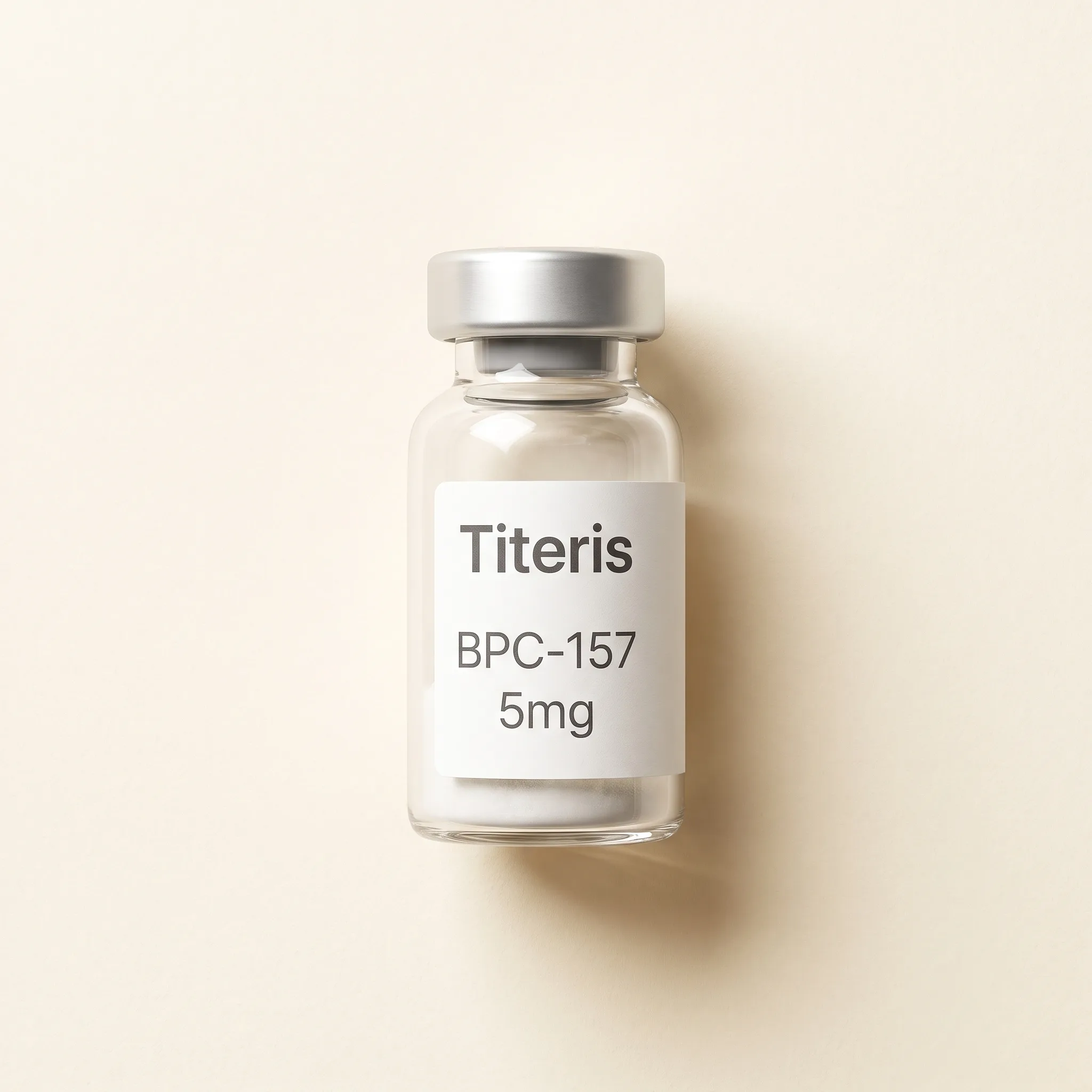 BC-5BC-10
BPC-157, 10mg
Supplied as a lyophilised vial for laboratory research use.
£29.99 Contact us to orderBC-20BPC-157, 20mg
Supplied as a lyophilised vial for laboratory research use.
£44.99 Contact us to orderEach product page states plainly whether the current batch has supplier documentation attached. See our documentation policy for what that documentation does and doesn't cover.
Frequently asked
Is BPC-157 the same thing as TB-500?
No. They're structurally unrelated: BPC-157 is derived from a gastric-juice protein fragment, while TB-500 is a synthetic version of part of Thymosin Beta-4. Researchers sometimes study them together because animal work suggests overlapping tissue-repair pathways, which is why a combined product exists, but they are two distinct compounds with separate research literatures. See our TB-500 page.
Has BPC-157 been tested in humans?
Not in any large, controlled clinical trial. The available human-facing evidence is limited to anecdotal reports and small, uncontrolled observations, which is a meaningfully different, and much weaker, standard of evidence than the animal research summarised above. This is one of the main reasons it remains unapproved for human use.
Why is BPC-157 banned by WADA if it's legal to buy in the UK?
Those are two separate systems answering two separate questions. UK law governs whether a compound can be sold and possessed as a research material, which BPC-157 can. WADA governs what competitive athletes are permitted to have in their system regardless of how it was obtained or why. WADA prohibits BPC-157 at all times, in and out of competition, independent of its UK legal status as a research chemical.
Do you test every BPC-157 batch you sell?
We publish our supplier's own third-party documentation for each batch where it exists, credited to the lab that produced it, and we say plainly on the listing if a batch doesn't have current documentation. We do not yet operate independent in-house testing. Full detail is on our documentation policy page.